
爱上超模
苹果正在考虑完全放弃自动驾驶仪项目的消息。_我的网站

一 |
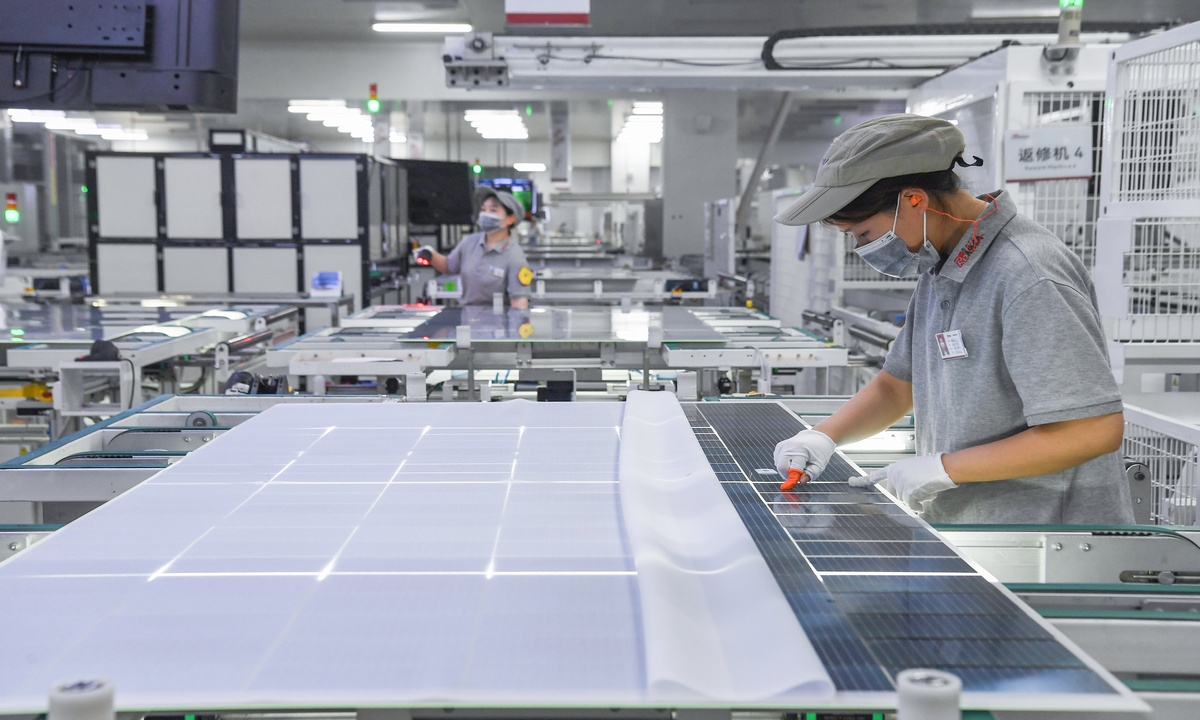
China saw robust exports in electric vehicles (EV), lithium batteries and photovoltaic products, known as the "new three," in the first half of this year. More notably, robotics, artificial intelligence (AI) and innovative drugs, which represent the future direction of industrial development, are also emerging as new calling cards for China's foreign trade.
However, the impressive performance provoked unease among some Western media outlets and politicians. Some have deliberately portrayed China's rapid industrial development and strong competitiveness as a result of government subsidies, pushing the false claim that subsidies have created overcapacity and those low-priced Chinese products are flooding global markets. Such fallacies, which simply equate industrial subsidies with overcapacity, are not only logically flawed but also factually groundless.
In practice, many countries adopt industrial policies tailored to their national conditions and development needs, such as providing research and development (R&D) subsidies for emerging industries and risk related subsidies for agriculture.
Well-designed industrial subsidies can help address market failures, promote technological innovation and environmental protection, reduce poverty and support balanced development, rather than cause so called "overcapacity."
Multiple reports by the United Nations Conference on Trade and Development have noted that the number of industrial policies worldwide has grown rapidly over the past five years, with R&D subsidies, tax incentives and low interest loans for emerging industries becoming common international practices.
Forcibly linking industrial subsidies to "overcapacity" is, in essence, a political manipulation based on double standards. The US, for example, plans to provide $750 billion in various subsidies from 2022 to 2031 under its Inflation Reduction Act. Subsidized EVs are subject to requirements such as production and sales in the US or North America, effectively excluding other WTO members. US industrial subsidies for AI are even greater than those of all other countries combined.
Similarly, according to incomplete statistics, the European Commission is expected to provide more than 1.44 trillion euros ($210 billion) in various subsidies between 2021 and 2030. The EU's Industrial Accelerator Act links local content directly to financial support through "Made in EU" requirements, creating serious investment barriers and institutional discrimination.
Have these massive subsidies been labeled as causing "overcapacity"? The answer is no. While claiming that China's industrial subsidies lead to so-called overcapacity, these countries are themselves providing massive subsidies to their own industries. Such double standards amount to selective accusations targeting China, aimed at politicizing trade and economic issues and weaponizing industrial policy.
At a deeper level, accusations that "China's industrial subsidies cause overcapacity" are merely a pretext, reflecting growing anxiety and fear over the rising competitiveness of Chinese industries.
Looking back at the repeated hype in Western media, the criticism has consistently targeted China's most globally competitive industries, including new-energy vehicles, photovoltaics and power batteries. This exposes the real intention of shifting the blame for their own lagging industrial development onto China while stepping up restrictions against Chinese industries.
China's breakthroughs in these industries have been driven by advances in homegrown technologies, complete industrial and supply chains, and robust market competition, rather than by policy subsidies as some have claimed.
In recent years, China has taken multiple steps to regulate and improve its subsidy policies, from reviewing and correcting inappropriate local subsidies to exploring a unified negative list mechanism for local fiscal subsidies. China applies subsidies equally to all market entities, including foreign invested enterprises, strictly follows WTO rules, and continues to improve the compliance, effectiveness and transparency of its subsidy policies.
Rather than fabricating and hyping baseless claims about subsidies and obsessing over building trade barriers, certain Western media outlets and politicians should focus on addressing their own weaknesses and increasing investment in research and development. They should embrace healthy market competition with an inclusive mindset, promote mutual benefit through greater openness, and win markets and drive progress through genuine innovation.
This was compiled and translated by the Global Times English edition based on an article published in the "Chisu Jinsheng" economic commentary column of the People's Daily on August 10, 2026.
。北京时间1月16日晚间新闻,投资研究公司Lynx股票策略分析师Jahara Nisa(Jahanara Nissar)和Raj Kumar(KC Rajkumar)今天发布了一份报告,他们听到苹果公司(以下简称“苹果”)可能放弃自动驾驶仪项目的消息。这两位分析师在报告中说,他们听说苹果正在缩小自动驾驶仪项目的规模,甚至考虑到项目的结束。这两位分析师表示,如果这一消息属实,将对苹果公司造成重大打击。

二 | 首先,这是一个重大逆转,将阻止苹果服务业务获得新的增长路径。此外,这可能意味着苹果必须削减其非核心计划,因为对iPhone市场的需求疲软。苹果的自动驾驶仪项目一直是个公开的秘密。

三 | 自2014年以来,有很多关于苹果汽车的报道。甚至有报道称,苹果已经准备从头开始构建自己的自动驾驶仪。但后来,当苹果意识到其复杂性时,它开始寻求与宝马、梅赛德斯-奔驰、日产、迈凯轮和比亚迪的生产伙伴关系,但谈判以失败告终。据报道,苹果汽车团队的人数一次超过1000人。2017年6月,苹果首席执行官蒂姆•库克证实,苹果正在开发自动驾驶技术。至于苹果是否会考虑在未来生产自己的汽车系统,库克没有给出明确的答案。他当时说:“未来,我们将评估苹果这部分业务的发展情况。从产品的角度来看,还不可能判断我们将来会做什么。

四 |
Current article:http://jfrpge.yizhougengcuohei.cyou/list_82qr/ww0.html
Published on:17:54:41
我的网站相关阅读
- Mudslide hits near border port in Xizang, people feared missing
- 全球车企首家!吉利获道路车辆安全与人工智能国际权威认证
- 一场欧洲大满贯,照出国乒的上限与下限
- 【学校事务】福蛇启新程 奋楫谱华章——翔安区舫山小学2024-2025学年第二学期期初行政会、全体教师大会报道
- 国台办批民进党操弄抗中保台诬蔑大陆介选
- कुलाधिपति होंगे राज्यपाल तो मंत्री प्रति कुलाधिपति, नए प्रविधान के मुताबिक ऐसे की जाएगी कुलपति की नियुक्ति
- Exhibits and collectors editions mark 400th anniversary of Shakespeare's First Folio
- 罗永浩的投资速度和科技推送聊天应用一样快:边聊天边赚钱
- PriceSeek提醒:8月前三周巴西大豆出口同比偏快
我的网站最新文章
- 张琳艳抢镜,中国女足开门红
- 妊娠発表から2カ月〝今限定デニム〟マタニティコーデの藤田ニコルに驚き「どうやって履いて…?」「あっという間に大きくなっている!!」
- Boyfriend arrested after Northern California sheriff's deputy found dead at her home
- 普京首次透露为何撤换国防部长绍伊古
- 美国友人赛考斯:美中联手将可以为地球做很多好事
- फ्लॉप हुई फिल्म, फिर भी रखी गई ग्रैंड पार्टी! सलीम-जावेद की जोड़ी ने लिखी थी कहानी
- 进球大战!英格兰创60年最佳战绩,姆巴佩成历史第一人
- 追梦:火箭几次缩小分差 我们把球交给巴特勒&他总能平息对手进攻
- 《劲舞团》8月版本更新,炎夏悠长,管家护航
- 比亚迪李云飞回应被暗指“汽车圈恒大”:好气又好笑
- 男子带6只大型烈性犬上门吵架,并唤使犬只扑咬,致邻居重伤
- 澳大利亚袋鼠再次杀人,上次是86年前_澳大利亚发生袋鼠杀人事件_肇事
- Major US pharmacy chain Rite Aid files for bankruptcy
我的网站随机推荐
- Indonesia bans syrup medicines as children die
- 第二十五届“汉语桥”世界大学生中文比赛全球总决赛暨颁奖仪式在厦门举行
- New York is shaking up its legal marijuana market with new competitors
- 浙江女子近80万的车停楼下,被人砸得稀烂,车里找到一块大石头和砖,当事人:脑子一片空白,目击者称事发时有三个人;警方回应
- 联发科首款 2nm 芯片:天玑 9600 Pro 芯片跑分曝光,GPU 与小米玄戒 O3 同源
- 中新网评:一座城市的温度,体现在如何对待陌生人
- 中国女排国手李盈莹确定无缘亚运会
- “赵丽颖缺席直播”登上热搜,工作室发文回应:赵丽颖突发身体不适,经团队与品牌沟通,遗憾做出取消决定,如直播补档时间安排确定将告知
- 付小铜新进同花顺、北方稀土前十大股东 此前重仓中信证券受关注
- Heavy Storms Leave at Least 21 People Stranded on Cargo Ship Near Sydney
- 京东减肥指标加码完不成任务反而影响减肥节奏
- 与LV三公子恋情曝光?谷爱凌晒图辟谣
- 新西兰政客接连“翻车”,未来副总理竟然被当街羞辱